Security breaches have remained one of the biggest challenges facing the crypto industry. Some projects have even become defunct after devastating security attacks that wiped millions of dollars from their balance sheets. Crypto users are also frequent targets of phishing attacks and account compromises. As a result, many fear losing their hard-earned money to bad actors.
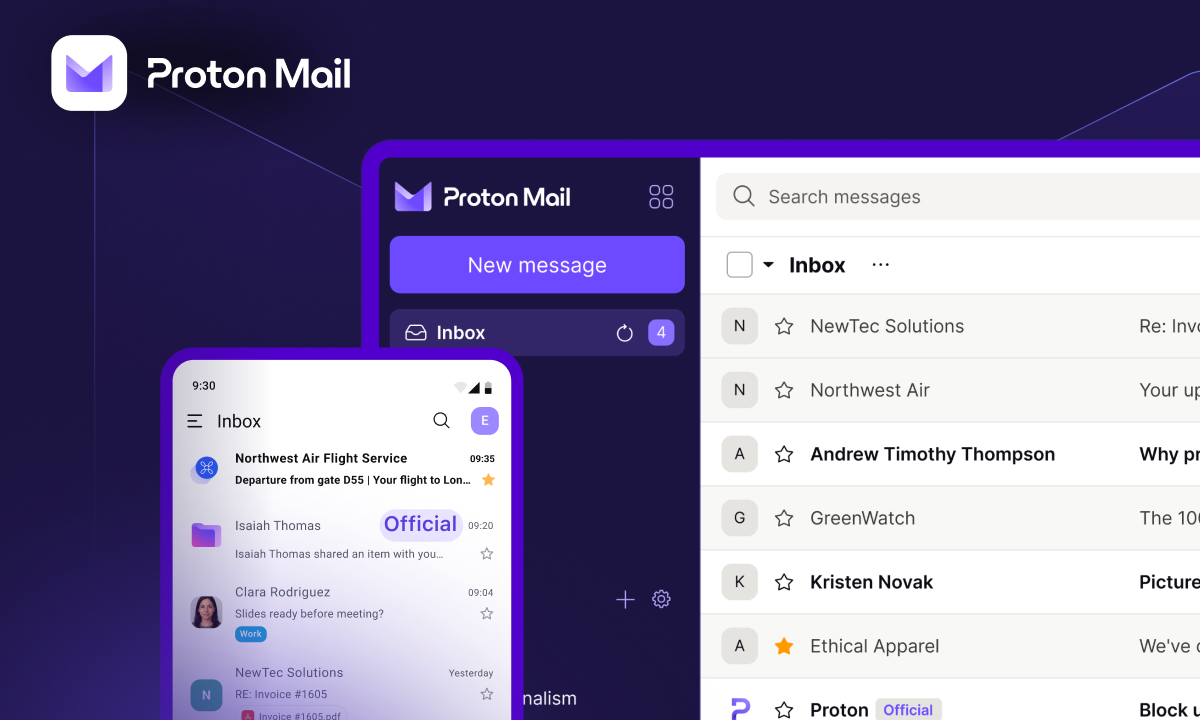
But what if there were ways to identify and mitigate some of these threats before they lead to financial losses? That is where Proton Mail comes in. Through its email security and privacy features, the platform helps users protect sensitive information, spot phishing attempts, and reduce the risk of unauthorized access to their accounts.
How does it work? And how can each crypto investor use it? This article discusses these and everything in between.
What is Proton Mail?
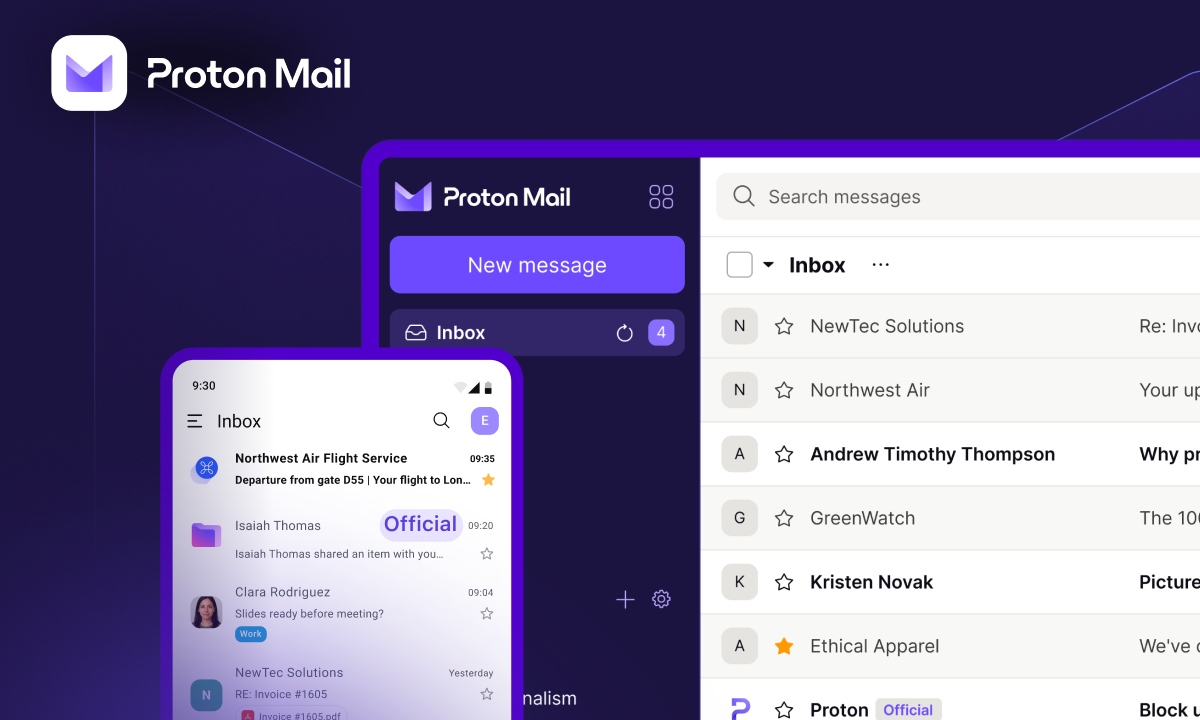
Proton Mail is an email service platform founded by Andy Yen, Jason Stockman, and Wei Sun. The email-focused platform is part of a broader Swiss company called Proton, which debuted in 2014. Other services under the umbrella firm include Proton VPN, Proton Drive, and Proton Pass.
The development team introduced the email service platform to address two underlying issues in email service provision: privacy and security.
Conventional email service providers like Gmail, Microsoft Outlook, and Yahoo Mail do not offer end-to-end encryption by default. Although these platforms encrypt emails in transit and on their servers, they generally retain the technical ability to access message contents. This enables features such as spam filtering, email grouping, and AI-powered summaries, depending on the service and its settings.
Some popular email service providers also show personalized ads, although this does not necessarily mean they use the contents of users’ email to target those adverts.
Proton Mail takes a different route to offer privacy, especially to crypto users. It does this by storing emails with zero-access encryption. In other words, only the user can decrypt the message contents. Emails exchanged between Proton Mail users are also end-to-end encrypted by default. This means that even Proton Mail cannot read the contents of emails once they are securely stored.
Proton is based in Switzerland and operates under Swiss privacy law. Unlike advertising-funded email services, Proton Mail does not display ads or track users for advertising purposes. This makes it an appealing option for crypto investors who want greater control over their personal information.
Beyond privacy and security, Proton Mail is designed for everyday email use. Users can access their inboxes through web and mobile apps, manage schedules with the integrated Proton Calendar, and hold secure video meetings through Proton Meet. Paid plans also support custom email domains, allowing users to send and receive emails using their own domain names. Proton currently serves over 100 million accounts globally.

This article highlights tools the email platform offers to keep users’ emails secure and private.
How Does Proton Mail Provide Crypto Security?
Most crypto platforms require users to link an email address to their accounts during registration. Through these email addresses, users can confirm withdrawals, receive transaction notifications, reset passwords, get notified about security threats or suspicious activity, and receive platform updates. Some platforms also send one-time verification codes through email as part of two-factor authentication when users sign in on a new device.
Since email addresses carry such weighty responsibilities, users must protect them. Proton Mail was especially designed to address this security matter.

The following features provide insight into how Proton Mail helps crypto investors protect their email accounts:
Zero-Access Encryption and E2EE
This feature ensures users’ emails are encrypted, making it impossible for unauthorized parties, including Proton Mail, to decrypt and access the message contents. This protection applies regardless of the pricing package a user subscribes to. Zero-access encryption works hand in hand with end-to-end encryption (E2EE) to protect account privacy and security.
When users create an account, Proton Mail generates public and private encryption keys. The public key encrypts emails sent to a user’s account. It scrambles the message into unreadable text, making it accessible only to someone with the corresponding private key. Anyone can access a user’s public key because it is designed to be shared for encrypted communication.
On the other hand, private keys decrypt encrypted messages received in an account, unscrambling the text so the recipient can access the content. Private keys also sign outgoing messages.
If a user loses their password and resets it, they may lose access to their previous encryption keys and the emails they protected. However, Proton Mail provides recovery options, such as recovery phrases and recovery files, that can help users regain access to their encrypted messages. Without a suitable recovery method, users risk losing access to their previously stored emails and files.
These features help protect sensitive information in stored emails, even if Proton’s servers are breached. Emails from non-Proton providers aren’t end-to-end encrypted by default, but Proton Mail applies zero-access encryption when they arrive, ensuring their contents remain encrypted once stored.
Hide-My-Email Aliases
A Hide-My-Email alias lets users hide their real email address and use a unique email alias for a specific platform. Mail Plus includes 10 hide-my-email aliases, while higher-tier plans like Proton Unlimited offer unlimited aliases.
One scheme hackers use to deceive their prey is to use a user’s email to find their real name, phone number, and other details. The goal? To execute a targeted attack. For instance, if a crypto firm that sends newsletters to its customers gets breached, hackers may obtain its customer database and access the email addresses and other personal information of affected users. Next, they can use fake official emails to lure users into clicking malicious links.
On the other hand, if a Proton Mail user provides an email alias to a decentralized application (dApp) or crypto platform, only this alias gets exposed if a database leak occurs. Because users use different aliases for different platforms, a leak at one firm is less likely to expose their primary email address or make it easier to target their accounts elsewhere.
If an email alias gets exposed or starts receiving suspicious messages, users can simply disable or delete it instead of ditching their primary email address, which may be linked to other important accounts.
PhishGuard
PhishGuard identifies and blocks phishing attempts designed to lure users to malicious websites. Phishing is one of the most common attack methods bad actors use and has caused substantial financial losses across the crypto industry alone.
The attacker tricks their potential victim into believing that an email comes from an official source. They may urge these unsuspecting users to click a link or open an attachment, such as a document. The outcome? Hackers may steal their crypto assets, steal passwords, or install malware on their victims’ devices.
Beyond identifying phishing attempts, PhishGuard alerts users to suspicious emails by displaying warning banners. Proton Mail also offers a Link Confirmation feature that prompts users to review and confirm links before opening them.
Dark Web Monitoring
People often reuse the same password across multiple websites. Knowing this, hackers search the dark web for lists of emails and passwords exposed in previous data breaches. Next, they use automated tools to test these credentials on popular email platforms to see which one works.
Proton Mail’s Dark Web Monitoring is a paid feature that scans breach data, including information found on the dark web, for leaked personal information tied to users’ email addresses. It then alerts users when it detects exposed information so they can take steps to secure their accounts.
This monitoring tool matches newly discovered breach data against users’ email addresses and personal information. In addition to their primary email addresses, users can manually add up to 10 verified external addresses from other email providers to the monitoring list. This way, users are notified when a known breach affecting their monitored address is detected.
Proton Sentinel
One of a crypto user’s biggest fears is losing access to their crypto accounts to hackers. Proton Sentinel helps protect against account takeover attempts by monitoring suspicious sign-in activities on users’ Proton accounts. The service uses artificial intelligence and human security analysts to assess potential threats around the clock.
If the system detects suspicious activity, it can introduce stricter security challenges to make it harder for hackers to take over a user’s account. This added login requirement can include the account owner’s hardware security key. In severe cases, Sentinel escalates the matter by involving security analysts for further review.
Proton Sentinel is available with Proton Unlimited, which includes additional privacy and security features across Proton’s services.
How to Set Up Proton Mail
Users can either create a new Proton Mail account or migrate data from an existing email platform to Proton Mail. Here’s how to go about each of them:
Creating from scratch:
- On the Sign Up page, select a plan, such as Mail Plus or Proton Unlimited.
- Input your username and create a password.
- Choose a domain extension between @proton.me and @protonmail.com
- Complete the human verification process.
- Download and save your Recovery Kit so that you can retrieve your account if you forget your password.
- Enter a display name to complete setup and access your new inbox.

Migrating from an existing:
Proton Mail has a tool called Easy Switch that makes it easy to migrate data from other email providers such as Gmail, Outlook, and Yahoo to Proton Mail. You can also use this tool to link your external account and send and receive emails directly in Proton Mail during and after the transition. Here’s how to use it.
- After creating a Proton Mail account, go to settings.
- Click the “Easy Switch” tool, then go to “Import via Easy Switch.”
- Select the source provider, such as Google or Microsoft.
- Follow the prompts to connect your account or start an import.
- Sign in with the email account you want to migrate, such as Gmail or Outlook.
- Grant the requested permissions so Proton can import messages, contacts, and calendars into Proton Mail.
- Review and customize the data you want to move to Proton Mail, then start the import.
- Monitor the migration from Easy Switch while it runs in the background.

Pricing Tiers for Proton Mail
Proton Mail offers a free plan with up to 1 GB of storage and one encrypted email address. However, users who need additional storage and security features can choose from paid plans such as Mail Plus and Proton Unlimited.
- Mail Plus ($1.99/month): This package provides 15 GB of storage, 10 encrypted email addresses, one custom email domain, 10 hide-my-email aliases, and unlimited folders and labels.
- Proton Unlimited ($6.49/month): This offers 500 GB of storage, 15 extra email addresses, three custom email domains, unlimited hide-my-email aliases, and advanced account protection. It also includes premium features of Proton Mail, Proton Drive, Proton Pass, and Proton VPN.
Check out the latest Proton Mail deals her.
Proton Mail Mobile
Proton Mail is available to users through its website and mobile app. Users can download the app through the Google Play Store on Android devices and the Apple App Store on iOS devices.
Conclusion
After Binance, the leading crypto exchange, suffered a massive security breach involving over $6 billion in crypto assets, its founder, Changpeng Zhao (CZ), warned that increasingly sophisticated security tools, including artificial intelligence (AI), could make it easier for hackers to carry out their nefarious activities.
This stresses the need for advanced security tools in the crypto industry. Proton Mail promotes security through encrypted emails, phishing protection, and other account security features. This article discussed how these protections work and how users can get started with Proton Mail. Securing your inbox is an important step toward protecting your crypto accounts.
Innlegget Proton Mail: Your Crypto Security Starts With Your Inbox dukket først opp på CryptoPotato.











 Norsk bokmål
 English
 Română
 Eesti
 한국어
 日本語
 Русский
 Deutsch
 Español
 简体中文
 Français
 繁體中文
 Português
 Italiano
 Polski
 Türkçe
 Nederlands
 Bahasa Indonesia
 Ελληνικά
 Українська
 Български
 Čeština
 Suomi
 Magyar
 Latviešu valoda
 Lietuvių kalba
 Slovenčina
 Slovenščina
 Svenska
Legg igjen en kommentar