
Bitcoin Magazine
U.S. Treasury Sanctions Iran’s Largest Crypto Exchange in Sweeping Economic Warfare Push
The U.S. Department of the Treasury’s Office of Foreign Assets Control designated Nobitex, Iran’s largest digital asset exchange, and three other Iranian crypto platforms on Tuesday, marking the Trump administration’s sharpest blow yet to Tehran’s digital financial infrastructure.
Nobitex processed more than 50% of all Iranian digital asset inflows in 2025, according to OFAC, and has served as a conduit for payments tied to Iran’s Islamic Revolutionary Guard Corps, ransomware operations, and attempts to shield regime wealth during internet blackouts that followed U.S. combat operations in Iran, according to the Treasury release.
Treasury Secretary Scott Bessent, in announcing the action, pointed to Iran’s economic deterioration as confirmation that the administration’s maximum pressure strategy is working.
“While Iran’s economy is in free fall, the regime has chosen to co-opt digital asset technologies for its own corrupt agenda,” Bessent said, “including evading sanctions and transferring wealth out of the country.”
The designation extends beyond a single platform. Wallex, Iran’s second-largest crypto exchange by volume, received 12% of all Iranian digital asset inflows in 2025 and facilitated IRGC-linked transactions.
Bitpin, which captured 10% of those inflows, counts investors with reported ties to Iranian sanctions evasion efforts among its backers.
Ramzinex, a Tehran-based exchange founded in 2018, processed more than $2.45 billion in total transactions, including payments for a government-backed Iranian financial institution.
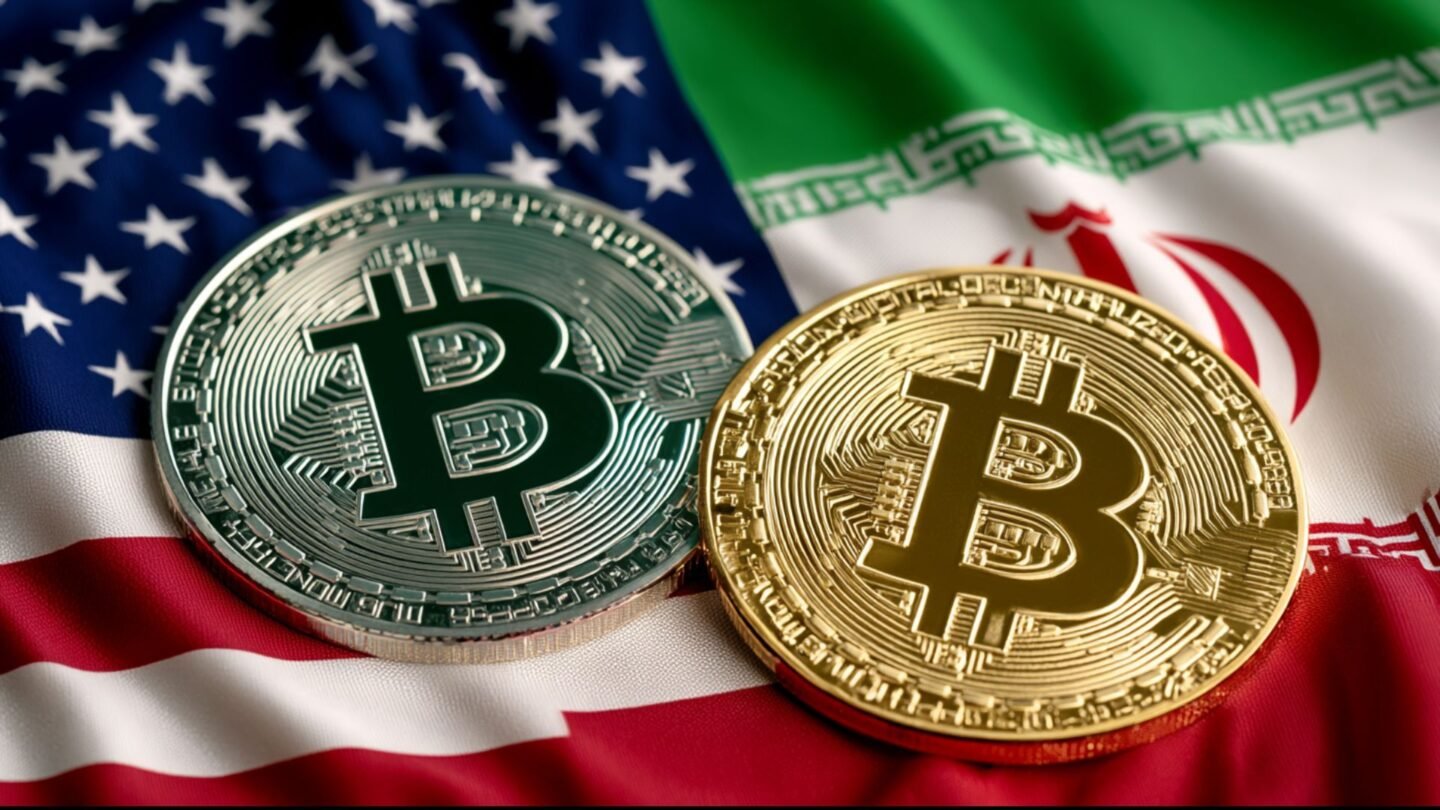
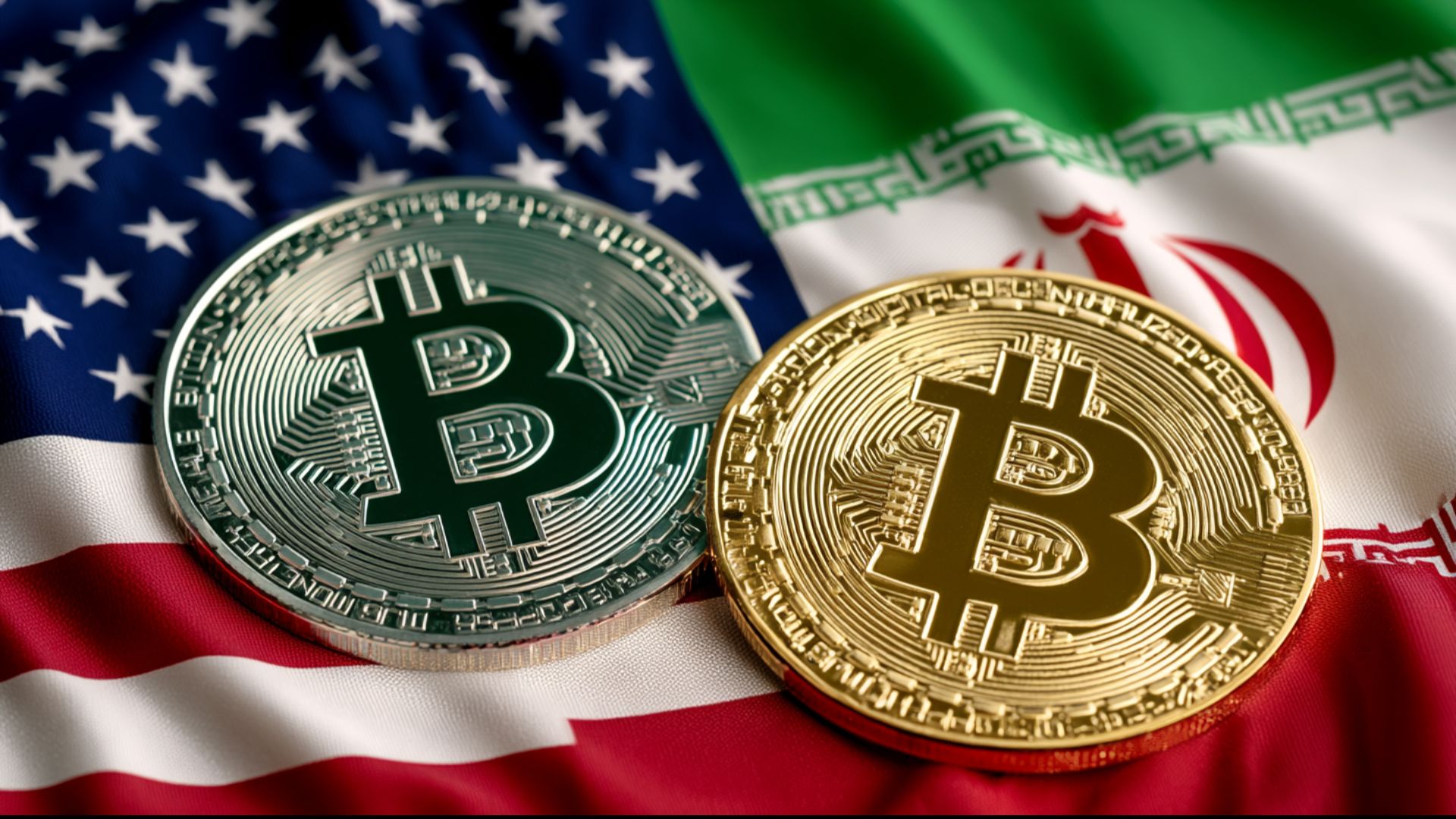
Iran vs. U.S. rocky economic and crypto relations
The action comes at a moment when the scale of Iran’s crypto shadow economy has become a central concern for U.S. national security officials. Iran’s broader crypto infrastructure has been estimated at roughly $7.8 billion, and blockchain analytics firm Elliptic has linked Nobitex to a network of wallets and behaviors consistent with IRGC financial activity.
In April 2026, Tether froze $344.2 million held across two wallets attributed to the Central Bank of Iran — wallets with documented ties to the IRGC-Qods Force and Hizballah — in what TRM Labs described as the largest on-chain freeze of Iranian sovereign crypto reserves on record.
Bessent told Fox Business last month that the U.S. has now seized approximately $1 billion in Iranian cryptocurrency.
What separates Tuesday’s action from prior sanctions rounds is the designation of Nobitex’s leadership. OFAC named Amir Hossein Rad — the exchange’s chairman, co-founder, and former CEO — for helping reconstitute Nobitex’s operations after a $90 million hack in June 2025.
Also designated were two co-founders identified as members of the Kharrazi family, which sits inside former Supreme Leader Khamenei’s inner circle, as well as the exchange’s current CEO, Seyed Ali Khoee.
The designations signal a pivot toward holding individuals accountable rather than targeting platforms alone — a strategy that analysts say carries more deterrent weight because it threatens executives with personal asset freezes and secondary sanctions exposure.
The U.S. treasuries two executive orders
Treasury invoked two executive orders: E.O. 13224, a counterterrorism authority, and E.O. 13902, which targets persons operating in Iran’s financial sector. Both designations carry identical consequences — all U.S. property interests of the named entities and individuals are blocked, and any foreign company or financial institution that continues to do business with them risks exposure to secondary sanctions.
The question that compliance professionals across the industry are watching is whether the SDN listings will compel stablecoin issuers and foreign exchanges to cut off Iranian users at scale.
OFAC clarified earlier this year that Iranian digital asset exchanges are considered blocked financial institutions regardless of whether they appear on the SDN list — but an explicit SDN designation triggers secondary sanctions against any global counterparty and gives stablecoin issuers direct legal justification for bulk freezes.
Treasury has also warned that any person or company facilitating passage payments through the Strait of Hormuz — whether in fiat, digital assets, or informal swaps — risks sanctions. On May 27, 2026, OFAC designated Iran’s so-called “Persian Gulf Strait Authority,” an IRGC-linked scheme to extort international shipping.
This post U.S. Treasury Sanctions Iran’s Largest Crypto Exchange in Sweeping Economic Warfare Push first appeared on Bitcoin Magazine and is written by Micah Zimmerman.









 Українська
  English
  Română
  Eesti
Eesti  한국어
한국어  日本語
日本語  Русский
  Deutsch
  Español
  简体中文
简体中文  Français
  繁體中文
繁體中文  Português
  Italiano
  Polski
  Türkçe
  Nederlands
  Bahasa Indonesia
  Ελληνικά
  Български
  Čeština
  Suomi
Suomi  Magyar
  Latviešu valoda
  Lietuvių kalba
  Norsk bokmål
  Slovenčina
  Slovenščina
  Svenska
Залишити відповідь